Layering Texture in the English Country Home

English country rooms rarely feel right when everything is new, flat and perfect. They usually come alive through worn timber, soft upholstery, old china, baskets, books, rugs, lampshades and fabrics that look as though they joined the house over time. The charm often comes from pieces that don’t match too neatly, but still feel as if they belong together.
Texture is the thread that holds these rooms together. It stops traditional furniture feeling stiff and gives newer spaces a sense of age without pretending they’re something they’re not. A linen curtain, a wool throw, a rush seat or a faded rug can soften hard edges and make the room feel lived in. The aim isn’t to make a room look staged, but to build layers that feel comfortable, useful and quietly collected.
Begin With the Floor
The floor sets the tone before a single cushion is added. Flagstones, boards, tiles and rugs each bring a different feeling underfoot, and the wrong surface can make even a generous room feel cold or echoing. The floor also affects how furniture sits in the room, because chairs and tables feel more settled when there is enough softness or definition beneath them. Well-chosen carpets bring softness underfoot, absorb sound and make bedrooms, snugs and sitting rooms feel more inviting without needing heavy decoration.
Mix Old Surfaces With Softer Edges
Country interiors often work because hard and soft materials sit close together. A scrubbed table looks better with a linen runner, a stone hearth feels friendlier with a basket of blankets nearby and an old armchair gains life from a cushion that doesn’t match too neatly. Timber, fabric, basketry and books give country cottage rooms their lived-in feeling because each surface looks as though it belongs to daily life.
Let Fabrics Do More Than Add Colour
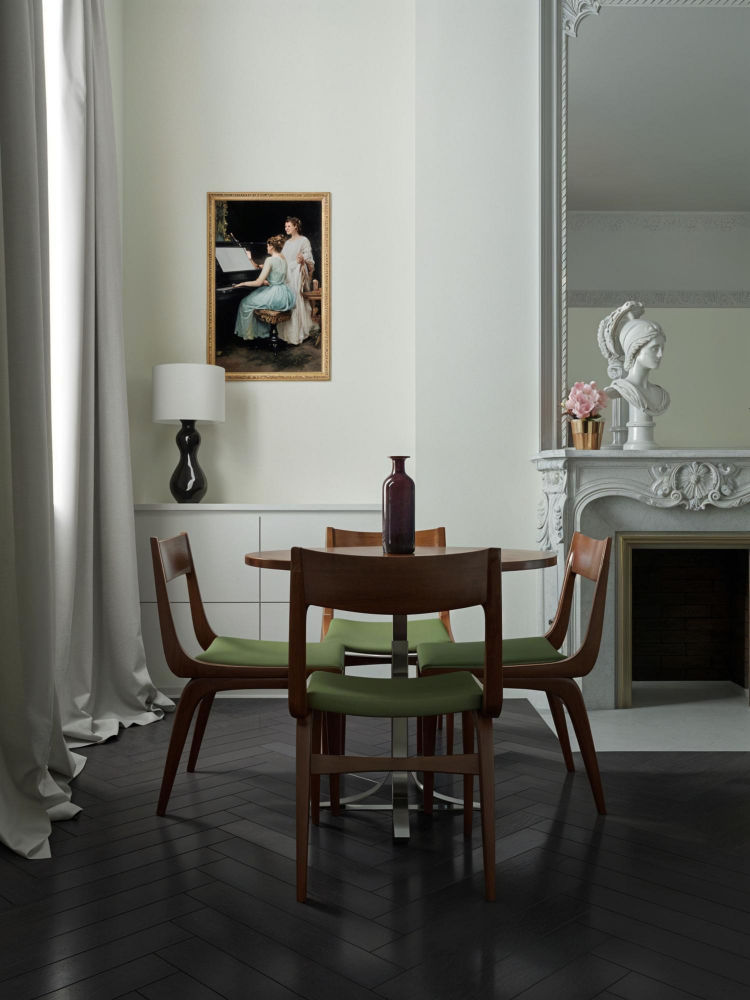
Curtains, throws, bedcovers and cushions are not just decorative layers. They change the sound of a room, soften light and make large spaces feel less exposed. Choose fabrics for feel as well as pattern. Wool brings weight, linen relaxes as it creases, velvet deepens colour and faded cotton makes a room feel less formal. A single heavy curtain can change the feel of a draughty corner, while a quilt across the back of a chair can make an old seat look more inviting.
Use Natural Materials Without Making a Theme
Basketry, timber, clay, iron, wool and stone all suit country houses, but they lose charm if arranged too deliberately. A basket that holds logs, a pottery jug used for flowers and a wooden stool by the bath feel better than objects bought only to create a look. The appeal of farmhouse interiors with useful pieces lies in purpose as much as beauty.
Layering texture doesn’t mean filling every wall and surface. Country rooms need small pauses, whether that’s an empty patch of wall, a simple lampshade or a plain wool rug between patterned chairs. Add texture slowly, keep what earns its place and let the room gather depth through use. The most convincing rooms often look as though they have been edited over years, not finished in one weekend. That slower approach is what keeps a country home comfortable rather than themed. Each layer should make the room easier to sit in, not harder to live with.


Comments