What Gardeners Should Know About Sunlight, Screens and Eye Health

You notice more than you think when you’re in the garden. The first pea shoot. The snail under a pot. The rose that was fine yesterday and has now decided to sulk. Your eyes work hard out there, so it makes sense to look after them with the same care you give your secateurs.
Eye care doesn’t need to feel fussy. A few small habits can make gardening more comfortable when sunshine, screens and close-up jobs meet in one afternoon. The more time you spend outdoors, the more these small choices matter, especially during spring and summer when jobs pile up and light changes quickly.
Sunshine feels gentle, but your eyes still need cover
British sunshine can be sneaky. One minute you’re in cloud, the next you’re squinting at pale paving, greenhouse glass or gravel. Even hazy days can mean UV exposure, and reflected light can leave your eyes tired before you’ve finished the border.
Keep UV-protective sunglasses for bright garden days somewhere obvious, near your gloves or by the back door. If they’re comfortable and easy to grab, you’ll wear them.
Choose sunglasses that suit real gardening
You don’t need anything dramatic. You need lenses with proper UV protection, a fit that stays put when you bend, and enough clarity to tell a weed from a seedling. Look for CE, UKCA or British Standard markings.
A brimmed hat helps too, when you’re deadheading or reading plant labels.
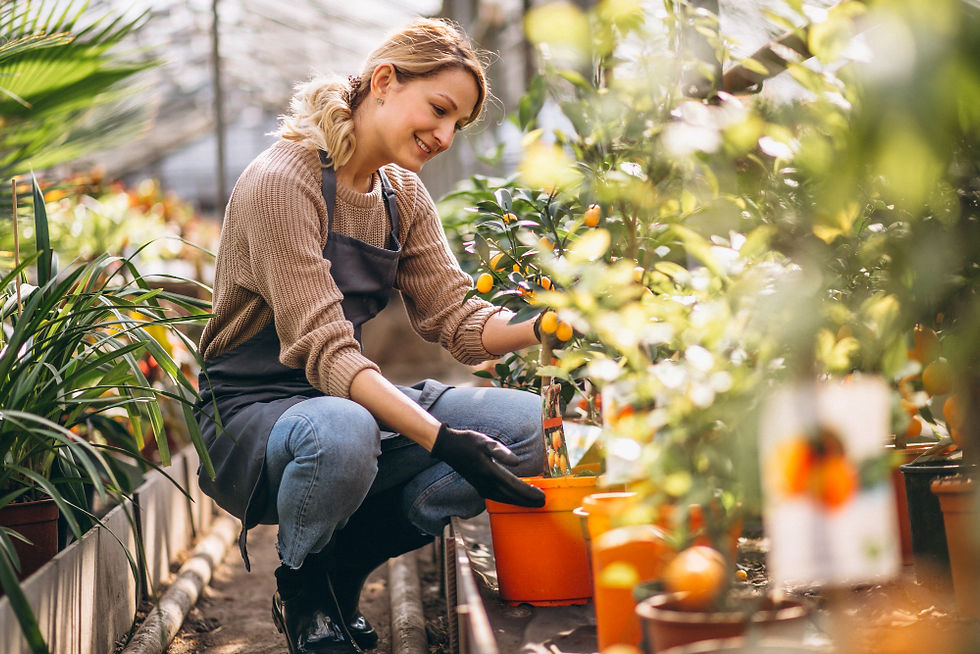
Screens have wandered into the potting shed
You might go outside planning to plant bulbs, then end up checking a weather app, watching a pruning clip, ordering compost and identifying a mystery seedling. Screens are useful, but in the garden they often come with extra glare.
That can make you squint, blink less and hold the phone closer than you realise. Dryness and headaches can sneak in, especially between bright beds, shaded corners and screens.
Let the garden help you rest your eyes
Try using the habit of resting your eyes while you garden: every 20 minutes, look at something about 20 feet away for 20 seconds. You’ve got plenty of choices, from the far fence to the apple tree or chimney pots beyond the shed.
Make it useful. Look up and check whether the tomatoes need water, the birdbath needs topping up or the dog is too interested in the lavender.
Feed your eyes, not just your borders
You already know plants need more than sunshine. Your eyes are much the same. They benefit from a varied diet, water, regular eye tests and sensible protection when you’re outside for hours.
Leafy greens, carrots, peppers, berries, eggs, nuts and oily fish all fit nicely into an eye-friendly diet. If you grow spinach, kale, tomatoes, herbs or chard, your plot may already be helping more than you realised. Some gardeners also think about vitamins for eye health as part of a wider routine, especially when age, diet or long screen time makes vision feel worth protecting.
A simple shed kit can help you remember: UV-protective sunglasses, a brimmed hat, clear safety glasses, water for longer sessions and an eye test reminder.

Watch the little hazards too
Gardens are full of tiny surprises, and not all of them are charming. Soil can flick up when you’re digging. Bamboo canes sit at awkward face height. Thorny stems spring back. Strimmers can throw grit. Old trellis and brittle edging can catch you out.
Clear safety glasses may not be stylish, but they’re welcome when you’re cutting, strimming, pruning or handling anything that might snap, flick or crumble. Keep a pair where you can see them, not in the drawer with blunt pencils and a broken dibber.
Make eye care part of your gardening routine
The easiest habits fit what you already do. Put sunglasses beside your trowel. Keep water nearby on warm days. Step away from your phone and look across the garden before you carry on scrolling. Book an eye test if your vision changes, you’re getting headaches or close work starts feeling harder.
Your eyes help you enjoy every mossy path, terracotta pot, foxglove spike and cup of tea on the bench. Give them a bit of care, and the garden stays brighter in every sense.

This is a collaborative post and the author's views do not necessarily reflect those of our blog. We may receive monetary compensation for our endorsement and or recommendations


Comments